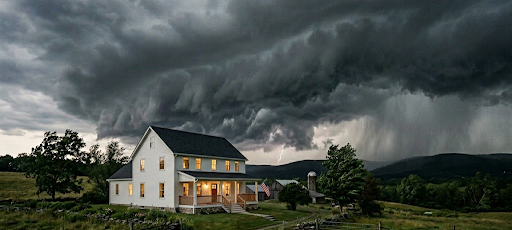
When severe weather strikes, your home’s exterior takes the brunt of the impact. With powerful wind gusts, pounding hail, heavy rain or airborne debris, storms can cause extensive and expensive damage.
That's where storm-resistant siding comes in. Today's materials are purpose-built to handle extreme conditions, keeping moisture out and your walls intact. Choosing the right one can be the difference between minor wear and major damage after a bad storm.
So what should you look for? Let’s break down the best options available, what makes them tough and how to pick the right fit for your home.
Why Storm-Resistant Siding Matters for Home Protection
Siding is more than curb appeal — it's your home's primary defense against the elements.
Storm-resistant siding is specifically engineered to absorb impact, repel moisture and hold up under pressure, giving homeowners long-term value and peace of mind.
The Role of Siding as Your Home’s First Line of Defense
Think of your siding as the outermost shell of your home — the first material to take the hit from wind, rain and debris. What happens to it directly affects everything underneath.
Quality storm-resistant siding absorbs impact energy before it reaches your wall structure, blocks moisture from working its way into insulation and framing, and helps keep your interior walls stable and dry over the long haul.
Rising Storm Intensity and What It Means for Homeowners
The National Oceanic and Atmospheric Administration (NOAA) has tracked a clear rise in the frequency and severity of extreme weather events in recent years. For homeowners, that shift is hard to ignore.
With stronger storms becoming more common, your home's exterior will take more hits than before. Choosing storm-resistant siding isn’t just a smart upgrade — it’s increasingly necessary.
How Severe Weather Damages Home Exteriors
Storms attack your home from every angle, and not all siding is built to withstand them.
Understanding how different storms affect your siding can help you catch problems early:
- High Winds: Can bend or detach poorly secured panels, allowing more damage to reach the structure beneath.
- Hail: Leaves dents and cracks that weaken protective surfaces and affect appearance.
- Moisture: Rain can seep into gaps, eventually causing mold, wood rot and structural decay.
- Debris: Flying branches or loose objects can crack or puncture siding, exposing interior layers.
Even minor vulnerabilities can escalate into major problems if left unchecked, making storm-resistant siding an increasingly important investment.
Key Features of Storm-Resistant Siding Materials

Storm-resistant siding options are designed with specific features to help them perform under extreme weather conditions.
Knowing what to look for can make a huge difference in your home’s long-term protection.
Impact Resistance and Durability
Impact-resistant siding is engineered to withstand hits from hail and debris without cracking or breaking.
Materials are tested using standardized methods, such as ASTM impact tests, to ensure they meet durability benchmarks.
Stronger siding materials, such as steel, reduce the likelihood of visible damage and maintain their protective qualities over time.
Wind Resistance Ratings
Many siding products are rated for wind resistance, indicating how well they can withstand high-speed gusts.
Some systems are designed to endure winds exceeding 150 mph when properly installed.
These ratings are especially important in regions prone to hurricanes, tornadoes and severe storms.
Moisture and Rot Protection
Effective storm-resistant siding features overlapping panels, water-resistant barriers and tight seals to block water infiltration.
Moisture-resistant materials help protect against rot, mold and long-term structural damage.
Secure Locking and Fastening Systems
Storm-resistant siding often includes reinforced locking mechanisms and fastening systems that keep panels securely attached during high winds.
These systems help prevent panels from shifting or detaching, maintaining a continuous protective barrier.
Popular Storm-Resistant Siding Options
Several siding materials offer strong protection against severe weather.
Each has its own strengths, so it's worth considering your local climate and specific needs before deciding.
Fiber Cement Siding
While it’s a more costly investment, fiber cement is known for its strength and resistance to impact, moisture and fire.
It doesn’t warp or rot easily and performs well in a variety of climates, and its dense composition makes it effective against hail and wind damage.
Engineered Wood Siding
Engineered wood siding offers the appearance of natural wood with added durability. It's treated to resist moisture, pests and decay, making it more resilient than traditional wood siding.
That said, it does require regular upkeep because it still contains real wood. This typically includes cleaning, repainting or restaining, bi-annual inspections for damage and staying on top of any repairs or replacements.
Composite Siding
Composite siding combines materials like cement and synthetic resins for enhanced durability and design flexibility.
While it tends to be more expensive than vinyl, steel and aluminum siding, composite holds up well across a range of climates. However, fading can occur over time.
While that doesn’t affect storm performance, it impacts appearance and, in some cases, leads homeowners to consider repainting or replacement.
Metal Siding
Aluminum and steel siding offer exceptional durability and impact resistance. Steel, in particular, performs well in hail-prone regions, thanks to its strength and rigidity.
Impact-Resistant Vinyl Siding
Vinyl siding has come a long way, with modern manufacturing improving both its durability and performance.
Impact-resistant versions are built to flex under pressure rather than crack, making them a practical and affordable option for homes in storm-prone areas.
Additional Exterior Upgrades for Storm Protection
Strong siding is essential, but for full protection against the elements, it works best with other exterior upgrades.
Durable Trim and Fascia
Trim and fascia elements can be vulnerable during storms. Choosing durable materials, like aluminum or steel, helps maintain structural integrity and prevent water from entering through the roof edges and joints.
Storm-Resistant Windows and Shutters
Upgrading to impact-resistant windows and shutters reduces the risk of breakage, helping shield your home's interior from wind, rain and debris.
This is a particularly important combination in hurricane-prone areas.
Proper Drainage and Gutter Systems
Effective rainware systems, including gutters and downspouts, help direct water away from your home.
Prioritizing proper drainage helps reduce the risk of water pooling around your foundation or seeping into your walls.
Shield Your Home from Storms With Rollex Products
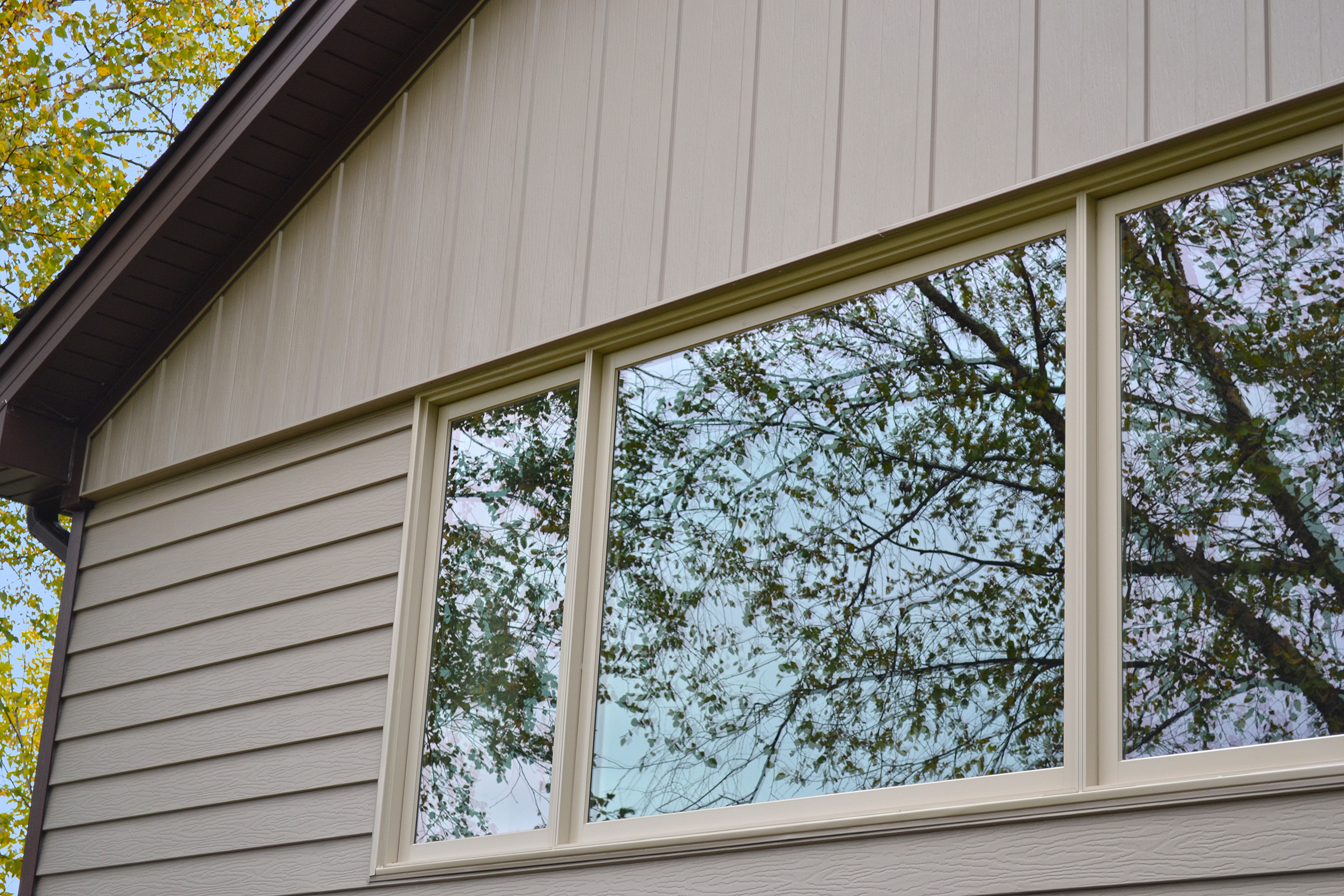
Storm-resistant siding isn’t just an upgrade — it’s a powerful investment that protects your home and preserves its beauty.
At Rollex, we believe your home deserves lasting defense. We offer durable, storm-resistant siding designed to protect your home from the harshest weather, reducing damage and extending the life of your exterior.
Ready to face Mother Nature with confidence? Explore our trusted products today and find a siding solution built to last.