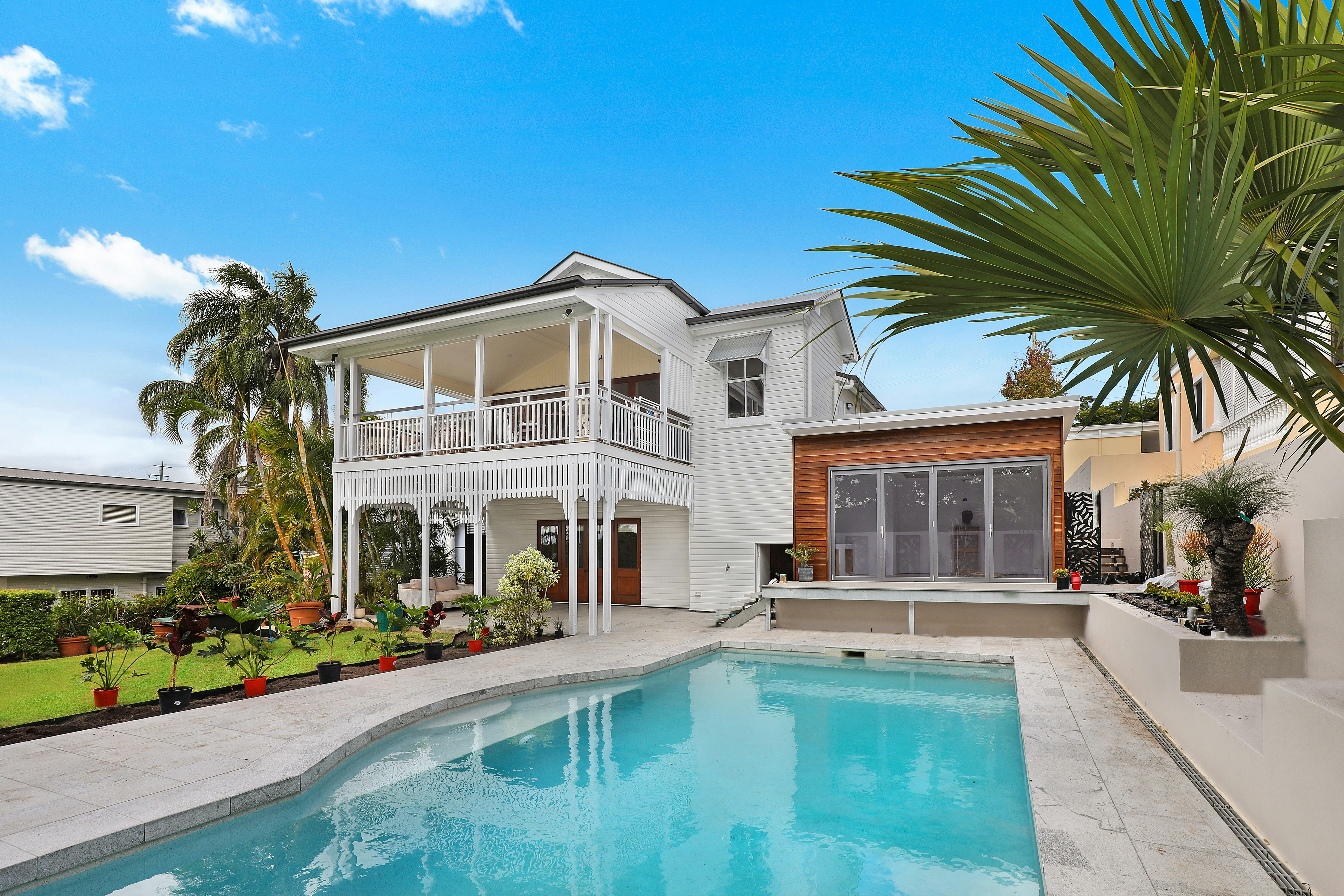
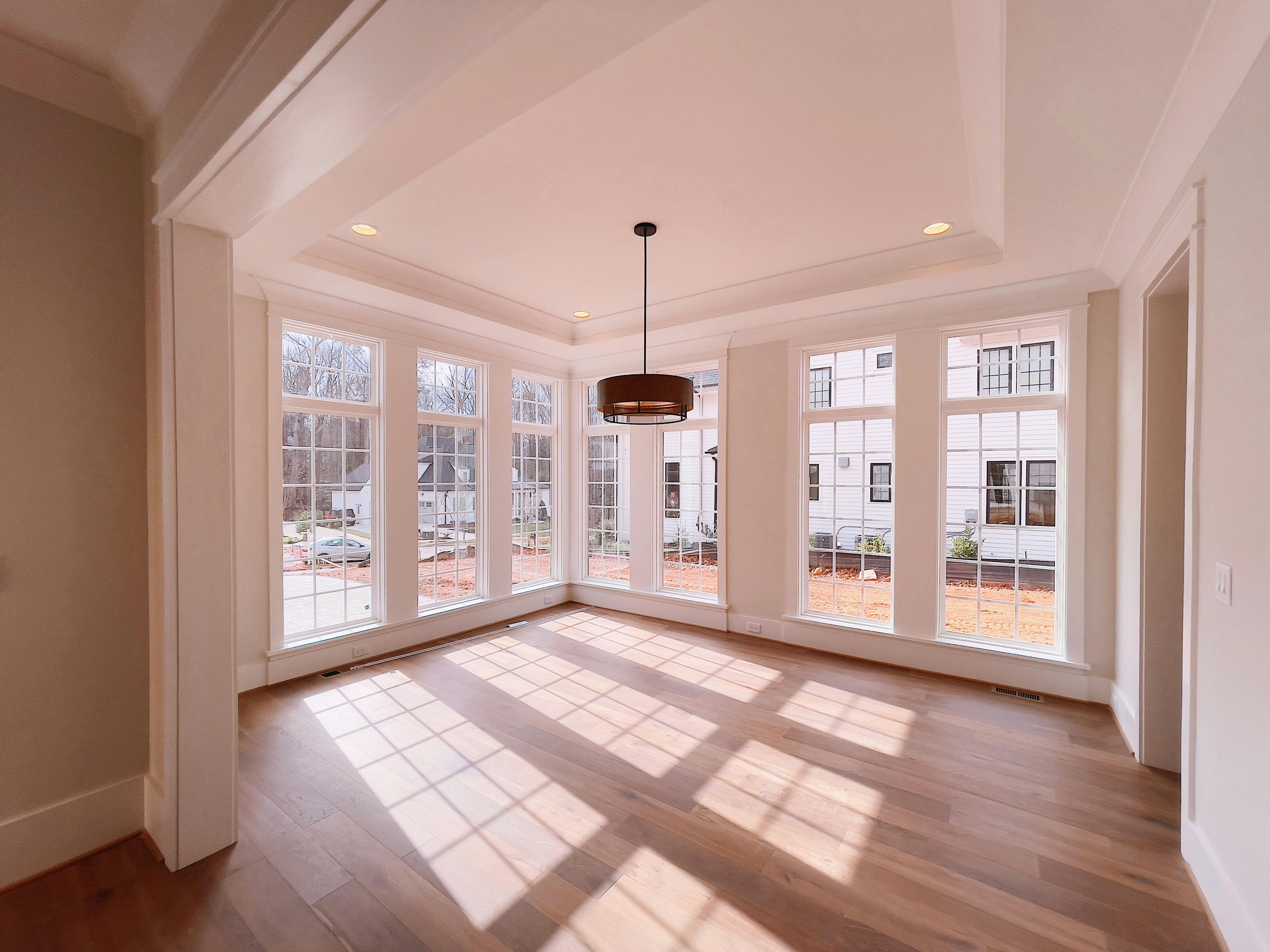
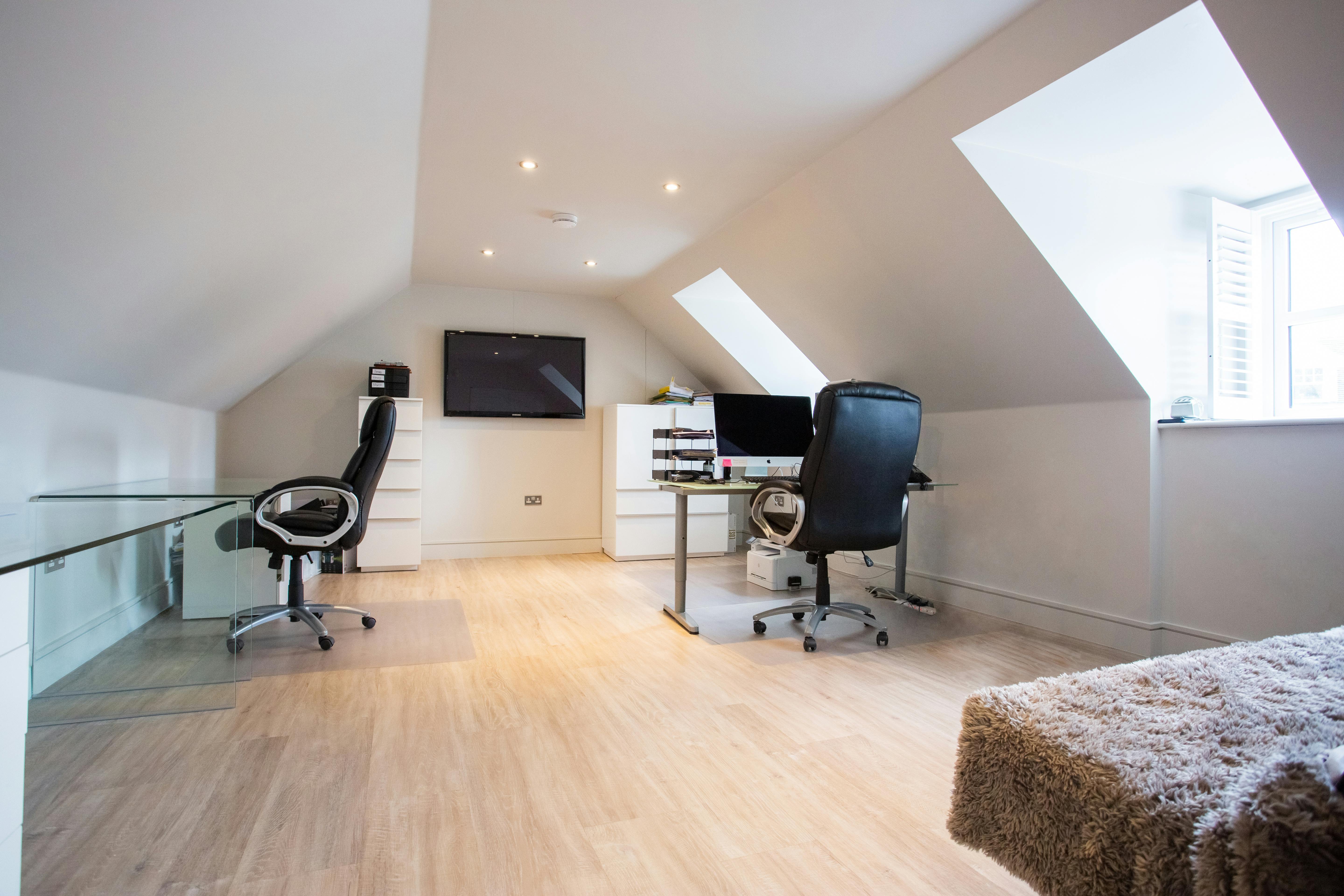
Adding onto your home is about more than increasing square footage — it’s about creating a space that fits your life. Whether you’re growing your family, adding a home office or seeking a more comfortable layout, a home addition reshapes how your home supports daily routines.
Smart planning is key. A well-designed addition can improve flow while keeping the character you love. Understanding home addition costs and other key considerations upfront helps you make confident decisions that align with your vision and budget.
Why Consider a Home Addition?
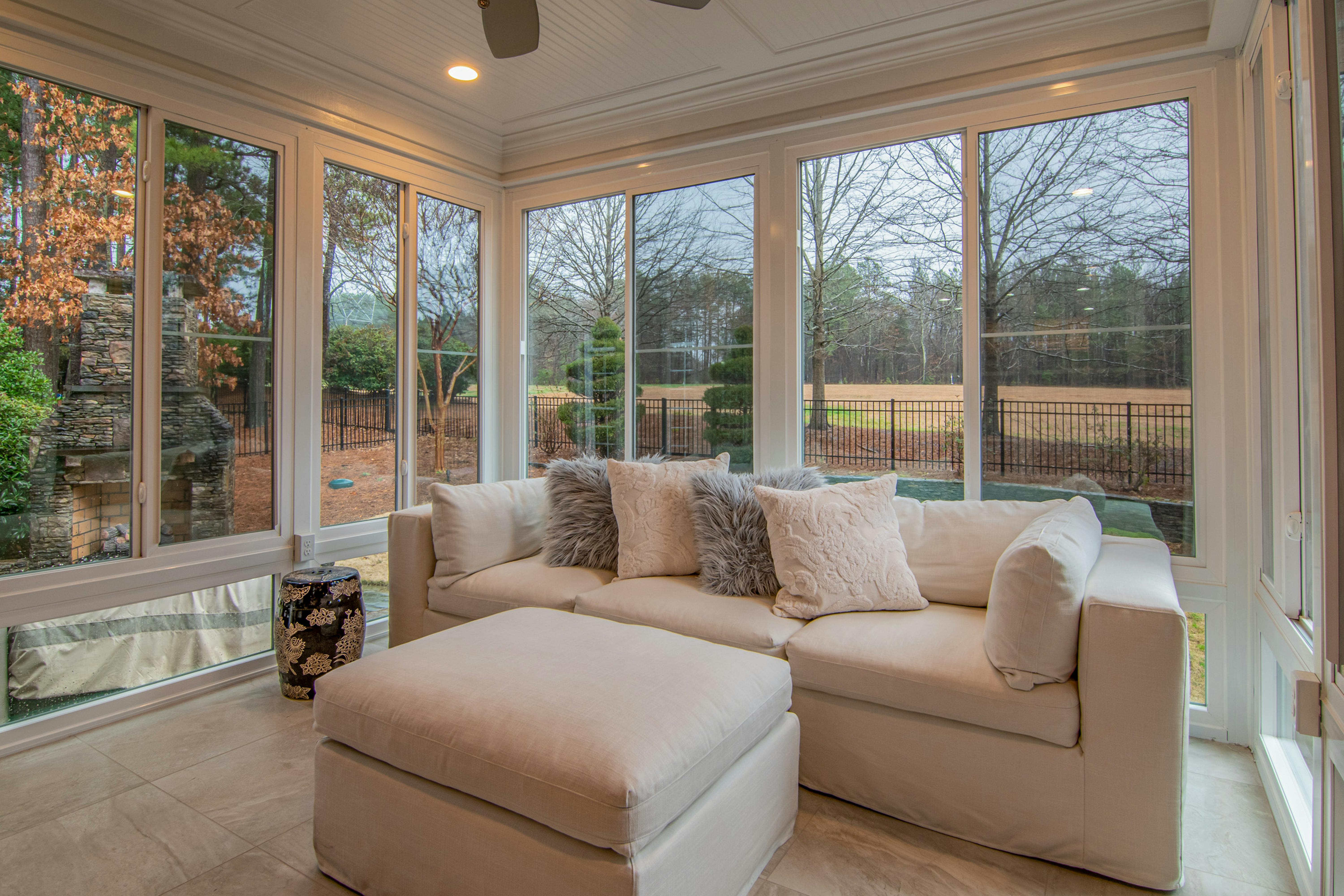
Homeowners typically choose a home addition for three main reasons: to expand their living space without the disruption of moving, to increase their property’s value or to improve the functionality of their home.
Expanding Living Space Without Moving
Moving doesn't have to be the automatic answer when a home starts to feel tight. Neighborhood ties, good school districts and daily routines are hard to replace. A home addition is a smart way to stay rooted while still gaining the extra space you need.
Increasing Property Value and Functionality
Well-designed additions that align with the rest of the home can increase resale value, especially when they add functional living areas like bathrooms or primary suites.
According to Credit Karma, a primary suite addition or a midrange bathroom addition has an expected return of 30%, while a wood deck addition has a return of 50%.
The key here is balance — the addition should enhance your home, not overwhelm it.
Types of Home Additions
There are many types of home additions to choose from, but the most popular tend to be room additions, bump-outs, sunrooms, second stories and garage conversions.
Room Additions (Bedrooms, Bathrooms, Offices)
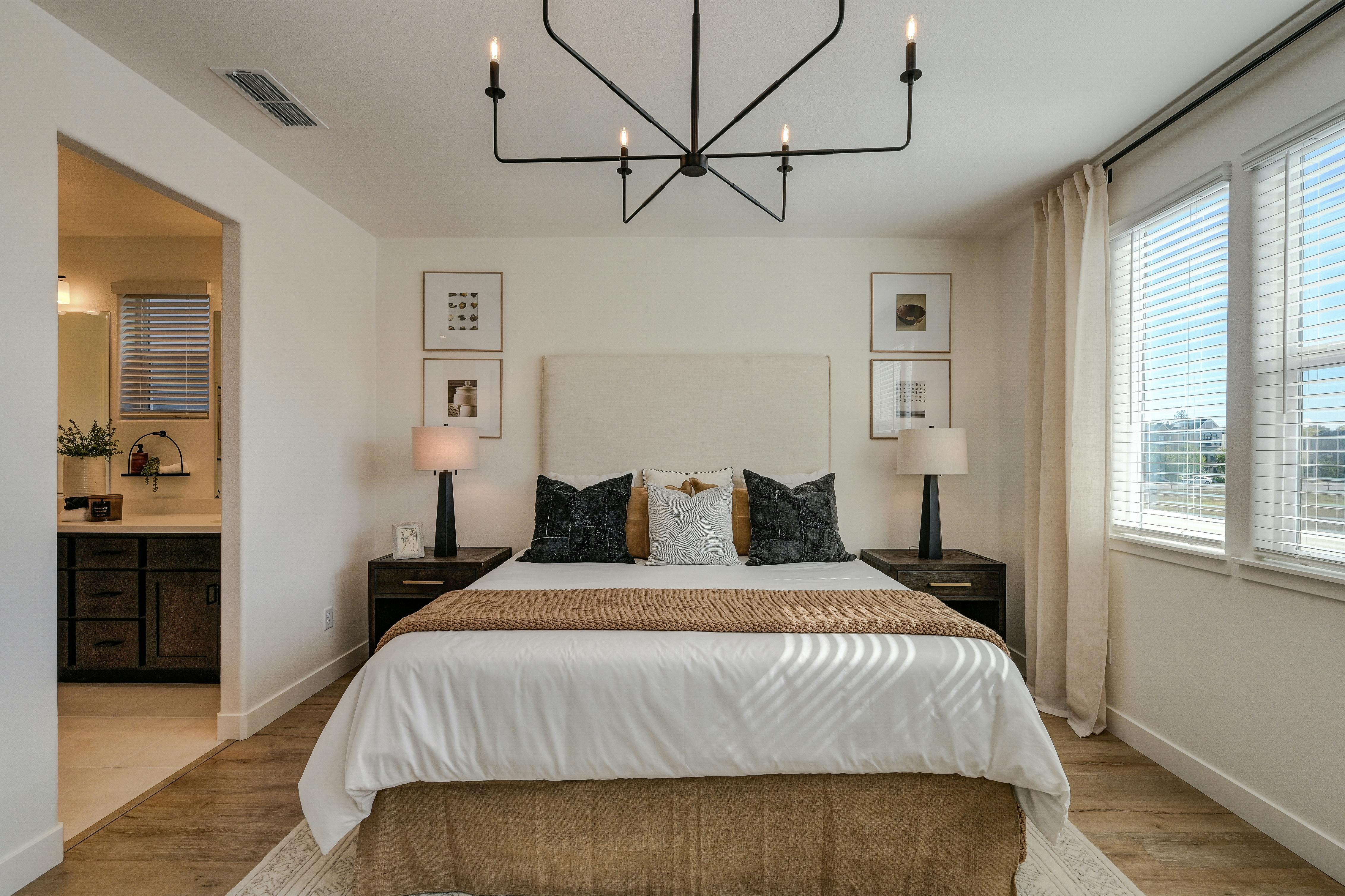
Full room additions, like bedrooms and bathrooms, are the most common projects because they address everyday needs and are appealing to future buyers. As remote work continues to shape how people use their homes, dedicated home offices also continue to skyrocket.
These types of additions typically require new foundations, roofing and exterior finishes, which all factor into the overall home addition cost.
Bump-Outs and Sunrooms
Bump-outs extend an existing room by a few feet. They’re often used to enlarge kitchens, bathrooms or living areas. Because they don’t require a full foundation overhaul, they can be more budget-friendly. Sunrooms also fall into this category, using lighter construction than traditional additions.
Second Stories or Space Conversions
Building upward instead of outward can dramatically increase square footage without expanding a home’s footprint. Garage or attic conversions are also an efficient option (especially when the space is underutilized). Both approaches require careful structural evaluation and design coordination to ensure the existing home can support the change.
Cost Breakdown of a Home Addition
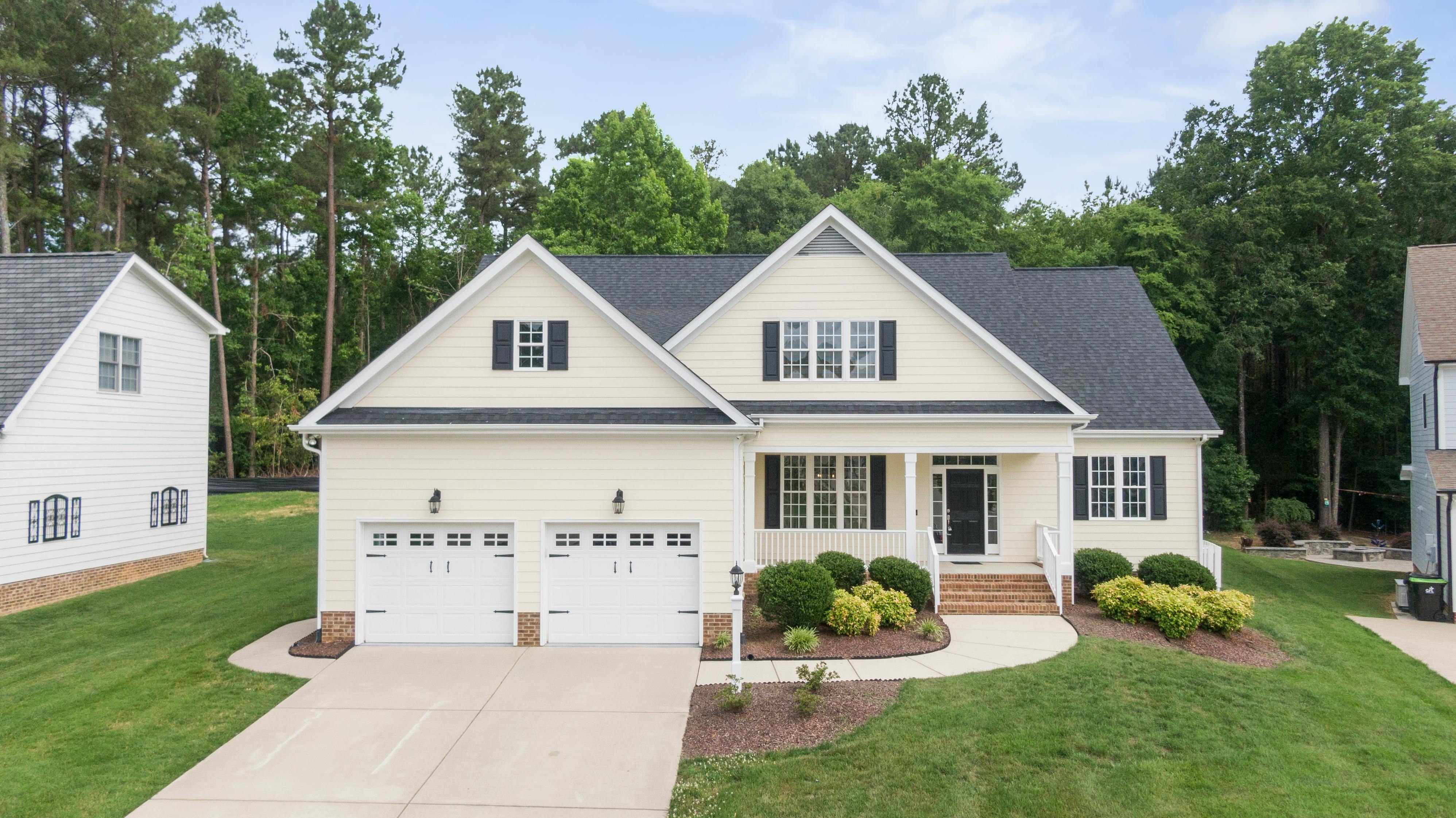
Home addition costs depend on several key factors, including the type of addition you’re building, the labor required, the materials you choose and the permits needed. It’s also smart to plan for unexpected expenses that can appear once construction begins.
Average Costs by Addition Type
According to Angi, smaller projects like bump-outs or sunrooms can start in the tens of thousands, while full room additions or second-story builds can reach six figures.
On average, homeowners spend around $50,000. A small bump-out or balcony may cost as little as $4,000, while a full second-story addition can top $160,000.
These costs are usually calculated by square footage and influenced by design complexity and finish level. Building outward typically ranges from $80 to $200 per square foot, while building upward is more complex and averages $300 to $500 per square foot.
Labor and Permits
Labor is often the largest part of a home addition budget, especially for skilled trades like framing, plumbing and electrical work, typically making up 40% to 60% of the total cost ($25,000 to $45,000 on average).
Permits and inspections are another unavoidable expense, required for safety and compliance. The average building permit costs about $1,500, ranging from $150 in rural areas to $7,500 in major cities like Los Angeles.
Hidden or Unexpected Expenses
Even with careful planning, surprises can pop up. You might need to upgrade an electrical panel, reinforce an older foundation or update outdated systems that are uncovered during construction. Setting aside a contingency budget of 10% to 20% can help cover these unexpected costs and keep your project on track without added stress.
Key Factors That Affect Cost
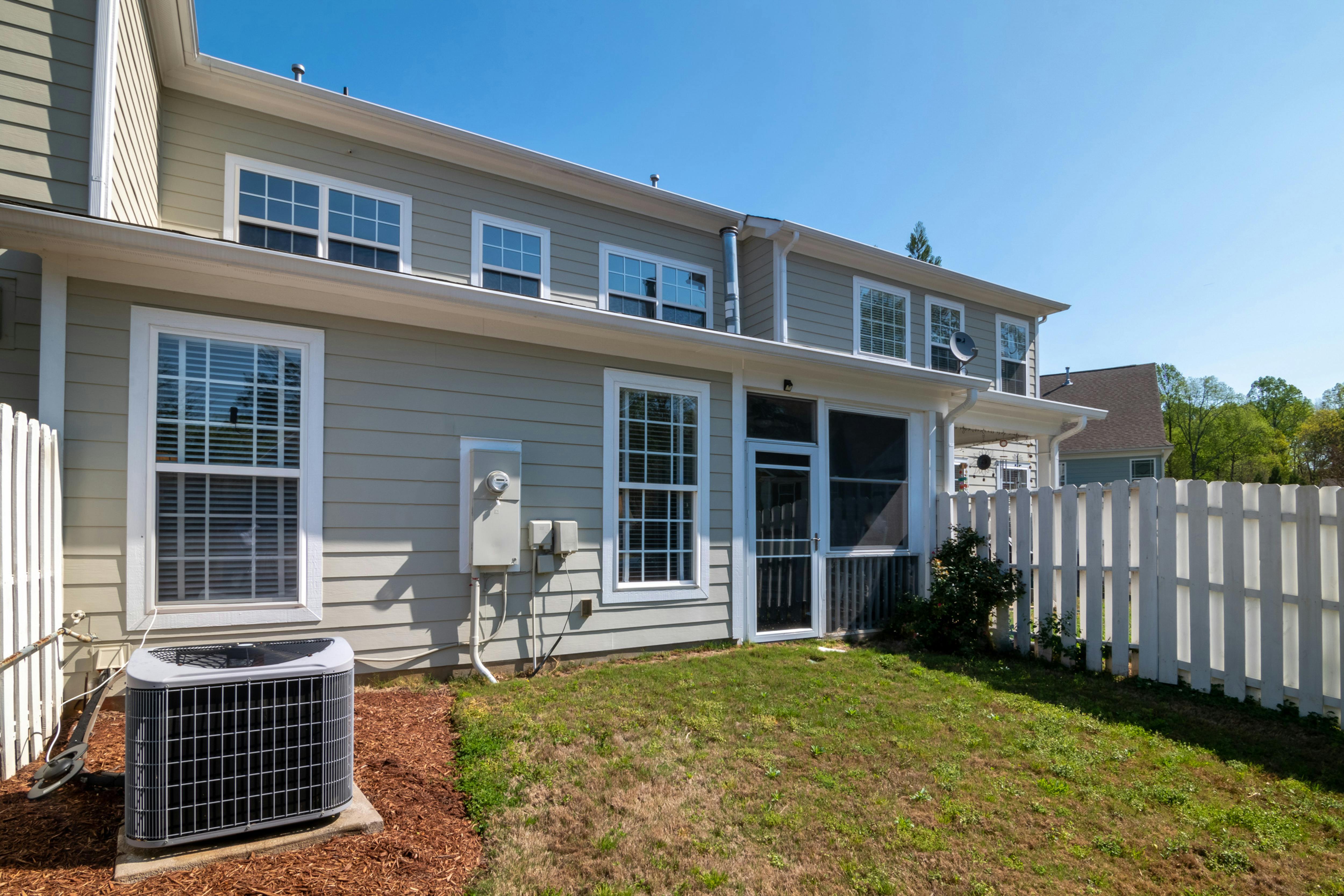
Several things influence how much a home addition will cost, including the size and complexity of the project, your location, local building codes and permits, as well as the materials and finishes you choose.
Size and Complexity of the Project
It’s simple — bigger additions cost more. However, it’s not just about square footage. Complex designs can add up, too.
A basic rectangular room is generally cheaper than an addition with vaulted ceilings, angled walls or custom built-ins. Structural changes, like connecting to existing load-bearing walls, will also increase engineering and labor costs.
Location, Local Codes and Permitting
Where you live can have a big impact on both cost and timing. Permits and zoning rules vary by city, and ignoring them can cause delays, extra fees or redesigns. Checking local requirements early keeps your project on track.
Regional differences also affect pricing as labor rates, material availability and building standards all vary. For example, Angi reports the average home addition costs about $18,000 in Oklahoma and $79,000 in California. Understanding these differences helps you plan your budget and avoid surprises.
Quality of Materials and Finishes
Material choices affect both cost and durability. Standard finishes keep budgets in check, while premium materials may cost more upfront but often pay off over time with greater durability and lower maintenance.
Exterior materials are especially key because they protect your home, improve energy efficiency, boost curb appeal and help your addition blend with the existing structure. Even smaller details like trim, doors and finishes can make a noticeable difference in both the look and performance.
Planning and Design Considerations
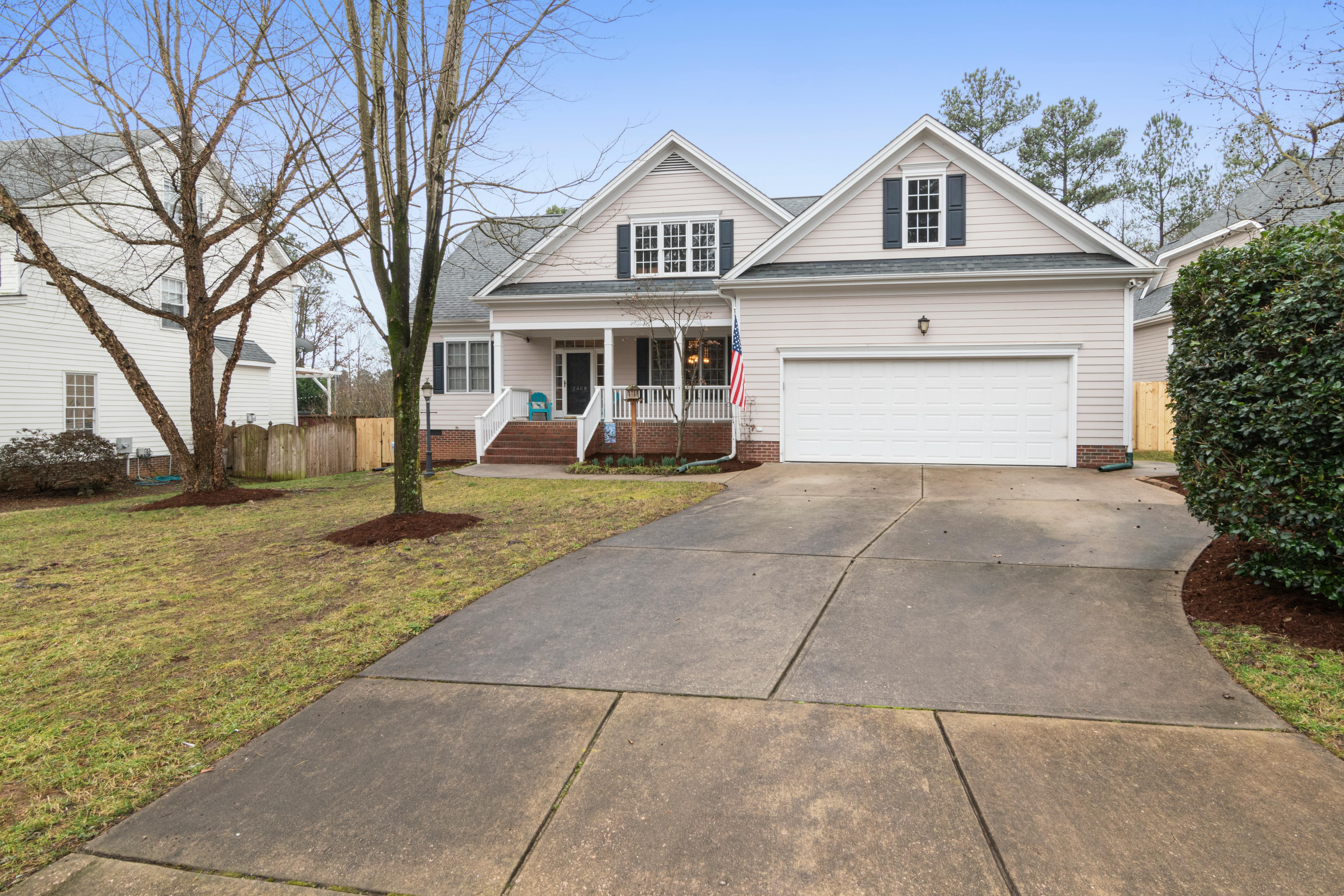
A home addition goes beyond a simple remodel and requires careful planning. Work with a designer or architect, make sure the new space blends with your home and consider long-term needs to keep it functional and timeless.
Working with an Architect or Designer
Working with a professional designer or architect can turn your ideas into a practical, workable plan. They know how to make sure your addition is safe, meets local building codes and flows seamlessly with your existing home. Getting them involved early can also save you money by helping avoid costly changes once construction starts.
Matching the Addition to Your Existing Home
A successful addition feels like it was always part of the original home. Rooflines, window styles and exterior materials should complement the original structure. Siding, soffits and rainware also all play a major role in creating this cohesive exterior.
Choose a manufacturer that offers a variety of materials, such as steel, vinyl or aluminum, so your addition blends seamlessly with the style of your home.
Long-Term Needs and Flexibility
Don’t forget to think beyond your immediate needs. Thinking ahead can help your addition add lasting value to your home. A guest room could one day become a home office, or a sun room can be designed to become a playroom for future children.
Flexible layouts and durable materials make it easier to adapt your space as your lifestyle changes, reducing the need for costly renovations down the road.
Bring Your Vision to Life With Rollex
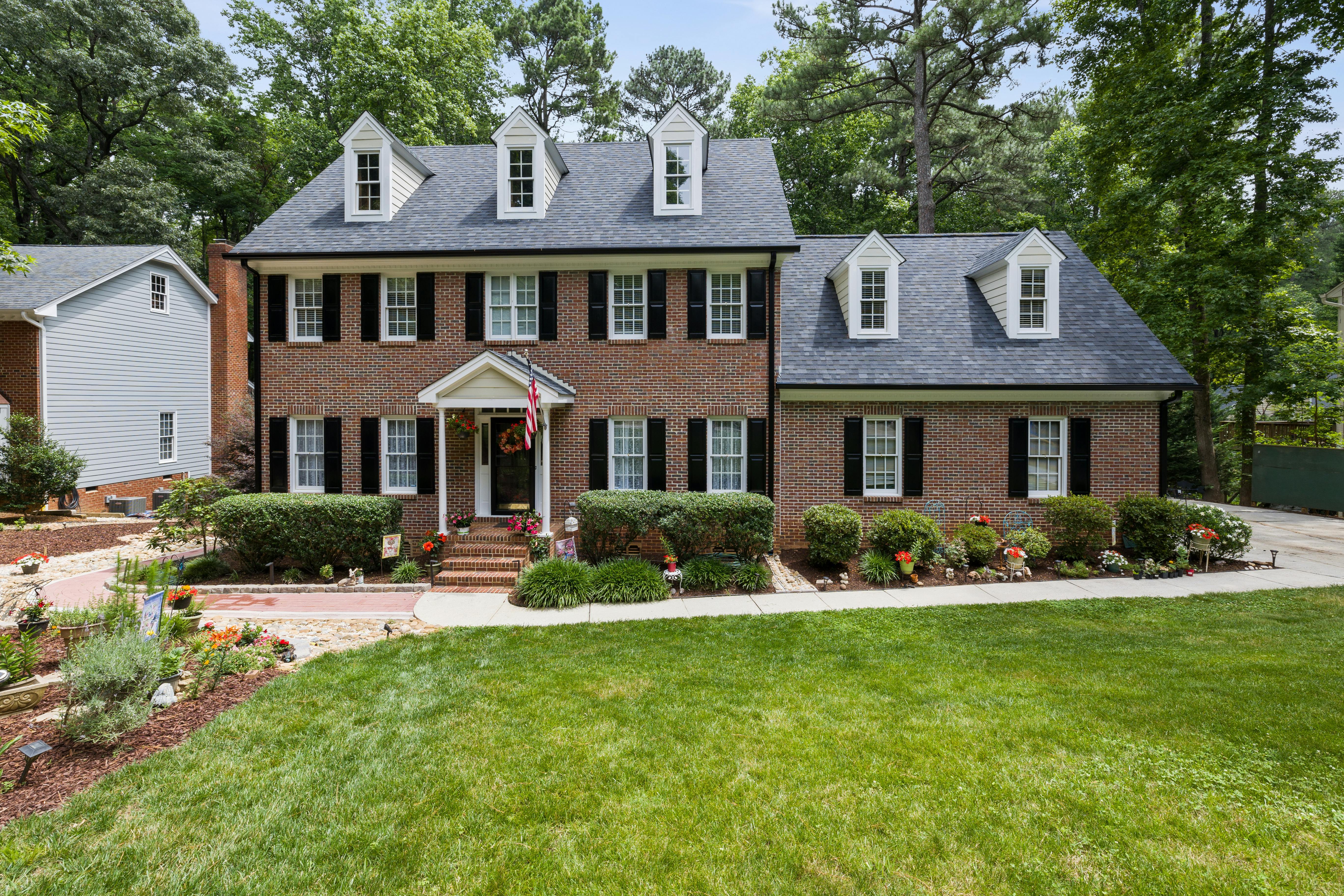
A home addition is a chance to transform how your home looks, feels and functions. With careful planning, realistic budgeting and attention to detail, you can create a space that feels both complete and timeless.
Your home deserves an addition that’s as beautiful as it is durable. With Rollex siding, soffit and rainware, you can protect your investment, enhance its style and increase curb appeal effortlessly.
Discover how Rollex’s products can bring your home’s vision to life today.