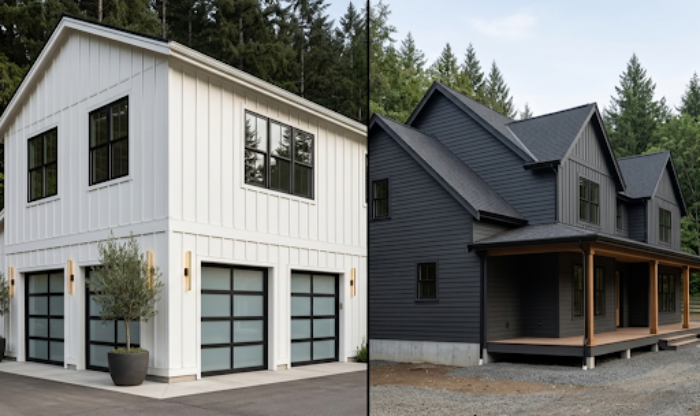
Color and material usually get all the attention during exterior planning, but there is another design choice that quietly controls your home’s entire curb appeal: siding orientation.
Choosing horizontal siding vs. vertical siding does far more than reshape your home's visual proportions. It fundamentally dictates how your walls shed water, how difficult installation will be and how much maintenance your home will require over time.
Whether you want timeless traditional lines, modern architectural drama or a strategic mix of both, here’s how the two siding profiles compare on cost, durability and style so you can pick the best fit for your build.The Core Architectural Differences
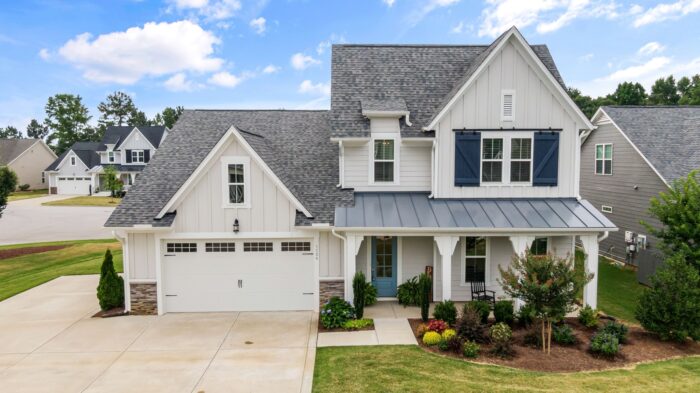
The direction of your siding panels shapes both a home's proportions and its weather defense.
Horizontal siding uses overlapping courses that run parallel to the ground. It visually widens a structure while relying on gravity to shed rainwater down its face.
Vertical siding (most often seen in board-and-batten profiles) runs continuously from roofline to foundation. It draws the eye upward to create a taller, more contemporary profile.
Because water channels straight down vertical panels, horizontal breaks — like window tops and trim transitions — require precise flashing to prevent moisture from seeping behind the wall.
The Case for Horizontal Siding: Classic Style and Proven Efficiency
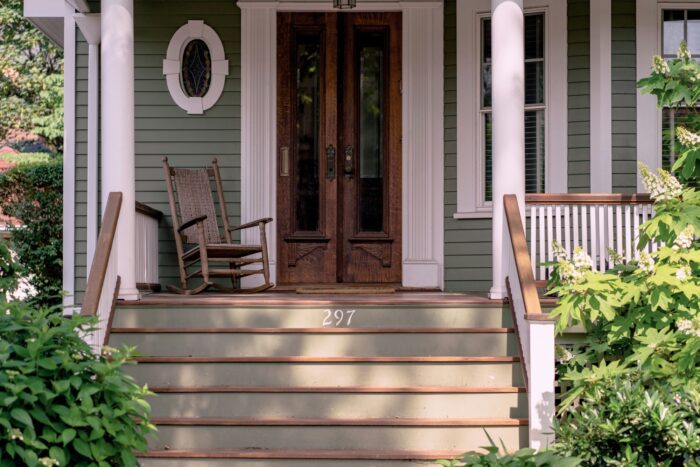
Horizontal siding remains the residential standard thanks to its versatility, straightforward installation and natural fit with traditional architecture.
Classic Aesthetics
Long horizontal lines create a grounded, balanced appearance that complements everything from Colonial and Craftsman to traditional home styles.
Installation Familiarity
Horizontal siding has been around for centuries, as it’s seen on some of America’s earliest colonial homes. Because of this, most exterior contractors have extensive experience with it, leading to shorter installation times, lower labor costs and less material waste during trim-out.
Cost and Material Efficiency
Standardized profiles across vinyl, steel and wood make panels fast and easy to source, resulting in shorter lead times and seamless future repairs.
The Case for Vertical Siding: Bold Lines & Easy Upkeep
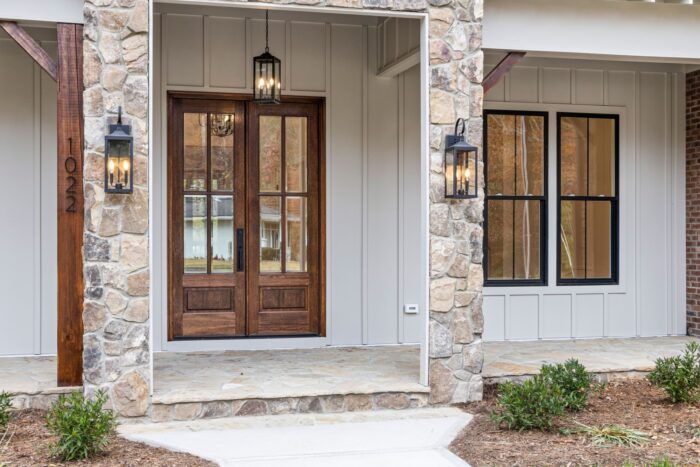
Originally rooted in agricultural architecture, vertical siding has evolved into a premier design choice for modern residential facades.
Striking Visual Impact
Vertical panels create height and drama. It serves as a defining full-exterior choice for Modern Farmhouse, Scandinavian and contemporary homes, while also working exceptionally well as an accent on entryways, gables or feature walls.
Built-In Water Drainage
Direct vertical channels allow rainwater and debris to slide off effortlessly without catching on panel lips. This reduces dirt accumulation along seams, making it easy and quick to wash down.
Ideal for Modern Materials
Vertical profiles pair exceptionally well with durable materials like steel, high-pressure laminates and composite panels, delivering crisp, clean lines that highlight contemporary architectural details.
Horizontal Siding vs. Vertical Siding: A Side-by-Side Comparison
If you need a quick comparison guide to help narrow down the right fit for your home, here is how both options stack up on installation, maintenance and aesthetics:
Feature
| Horizontal Siding
| Vertical Siding
|
Primary Aesthetic
| Traditional, classic, grounding (Colonial, Craftsman)
| Modern, tall, dramatic (Scandinavian, Modern Farmhouse, contemporary)
|
Popular Styles
| Lap, Dutch Lap, Shingle
| Board-and-Batten, Channel, Panel
|
Installation
| Fast, standard, lower labor cost
| More complex, requires furring strips and extra flashing if there is more than one story
|
Water Management
| Overlapping courses naturally shed water down and outward.
| Direct vertical channel flow; does require Z-flashing at breaks
|
How to Combine Both Profiles for Maximum Impact
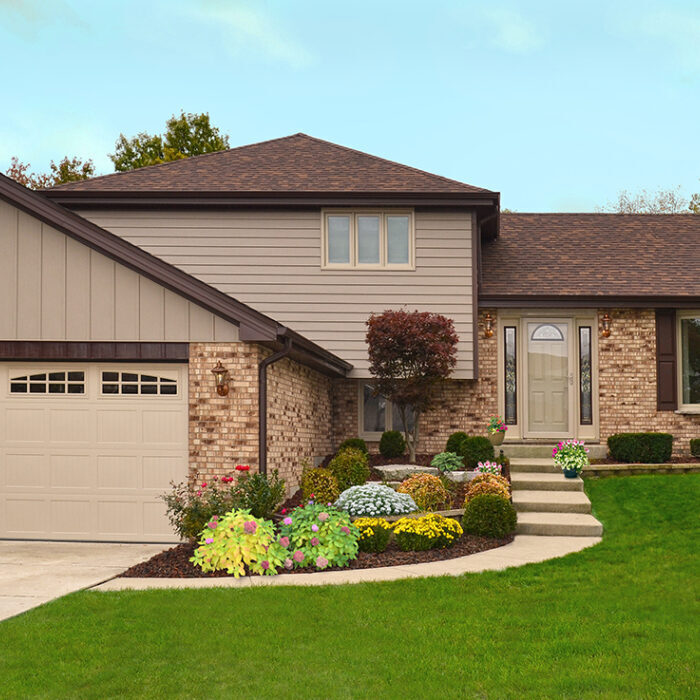
Many of today's best-designed homes use both horizontal and vertical siding instead of committing to a single style. Combining profiles adds visual contrast and highlights key architectural features without cluttering the facade.
Here are two popular ways to mix orientations effectively:
Option 1: Primary + Accent
Use horizontal siding across main exterior walls, then add vertical board-and-batten panels inside upper gables, on dormers or around front porch entryways.
Option 2: Material Mixing
Pair a classic vinyl or fiber cement horizontal base with vertical steel accents for a high-contrast, modern texture mix.
Bring Your Exterior Design Vision to Life with Rollex
When comparing horizontal siding vs. vertical siding, there isn't a single right answer. The ideal choice depends on your home’s architectural style, budget, local climate and long-term maintenance preferences.
Whether you prefer the timeless efficiency of horizontal lap siding, the bold depth of vertical panels or a mix of both, Rollex provides high-performance steel and vinyl siding engineered for lasting weather resistance and curb appeal.
Ready to find the right profile for your project? Contact us today to connect with a Rollex professional and get started.