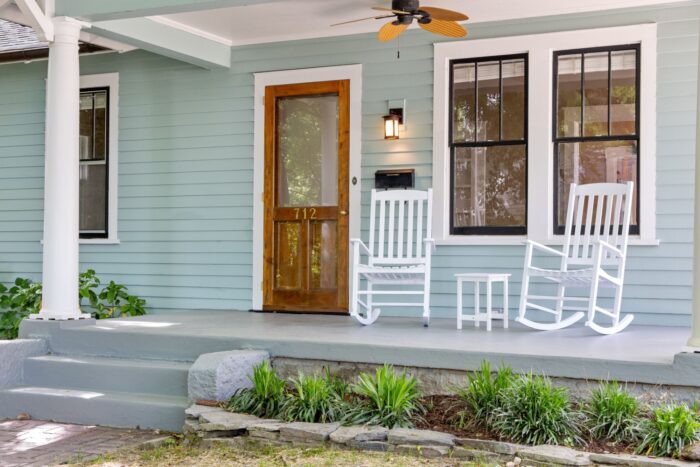
Your home is one of the largest investments you'll ever make, and its exterior does a lot of quiet, unglamorous work to keep it that way. While warmer days are always welcome, the summer season also brings unique environmental challenges that put added strain on your property.
Catching minor wear and tear now prevents small issues from quietly turning into costly structural repairs. This summer home maintenance checklist is designed to help you spot potential trouble areas, keep your home’s exterior performing beautifully and give you peace of mind all season long.
Why Summer Maintenance Protects Your Home
Everyone thinks about winterizing their home, but summer heat can be just as brutal.
Intense sun degrades protective coatings, fluctuating temperatures strain exterior materials and sudden downpours can easily overwhelm clogged gutters.
A quick, 15-minute walkthrough now can save you significant time, stress and money down the road. By spotting and addressing minor issues early, you can:
Stop Water Damage
Small gaps around trim, windows and flashing are prime entry points for driving rain. Sealing them now prevents hidden moisture from pooling, rotting wood or seeping directly into your interior walls.
Block Unwanted Pests
Those same exterior gaps are an open invitation to wasps, mice and insects looking to nest. Securing the perimeter keeps unwanted critters out before they establish a foothold.
Lower A/C Strain
Poor attic ventilation traps summer heat right above your living space. Ensuring proper airflow lets that heat escape, keeping your home cooler and preventing your HVAC system from overworking on hot days.
Protect Exterior Materials
UV rays and extreme heat accelerate wear on exposed surfaces. Catching minor cracks and peeling early extends the overall lifespan of your siding, soffits and fascia, sparing you from expensive full replacements.
Maintain Curb Appeal
Well-kept exterior surfaces do more than just look nice. Clean, tightly sealed trim and siding show that the home is properly cared for, protecting both its market value and your daily pride of ownership.
Not sure where to start on your summer inspection? Take it step-by-step and begin by checking three critical protective barriers: your siding, roofline and gutter systems.
Step 1: Inspect and Clean Your Siding Panels
Because siding takes a constant beating from the elements, a close inspection now is the easiest way to catch small fixes while they're still small — and inexpensive.
Check for Heat Warp and Expansion
Long periods of direct sunlight can cause some siding materials to expand and contract. Over time, this movement can result in loose panels, buckling or uneven alignment. Walk around your home and look for:
- Warped or bowed panels
- Areas where siding appears loose
- Discoloration from prolonged UV exposure
- Cracks or impact damage
If you spot any of these structural issues, take action before moisture gets behind the walls. Buckled panels often just need their fasteners loosened so the siding can expand freely, while severely warped or melted sections will require replacement.
For open gaps or high, hard-to-reach areas, bring in a professional to safely replace damaged pieces and inspect for underlying water damage.
Remove Dirt and Mildew
Dirt, algae, mildew and pollen can accumulate on exterior surfaces, so cleaning siding is essential (and easy):
- Hose down the surface, working from the bottom up to reduce streaking
- Scrub gently with a soft-bristle brush and mild soap mixed with water
- Rinse thoroughly to remove all soap residue
- Avoid pressure washers unless your siding manufacturer specifically recommends one, as excessive pressure can force water behind the panels
Mold and mildew thrive wherever moisture lingers, so addressing water problems promptly is one of the best ways to prevent growth.
The EPA recommends controlling moisture and cleaning affected areas with detergent and water. If mildew returns after cleaning, it's usually a sign that the underlying moisture source hasn't been resolved.
Scan for Gaps and Pests
While inspecting your siding, look for openings that could allow insects, birds or small rodents to enter. Check for:
- Loose trim pieces
- Small holes
- Gaps around utility penetrations
- Missing caulk
Step 2: Check Your Roof Overhangs and Attic Ventilation
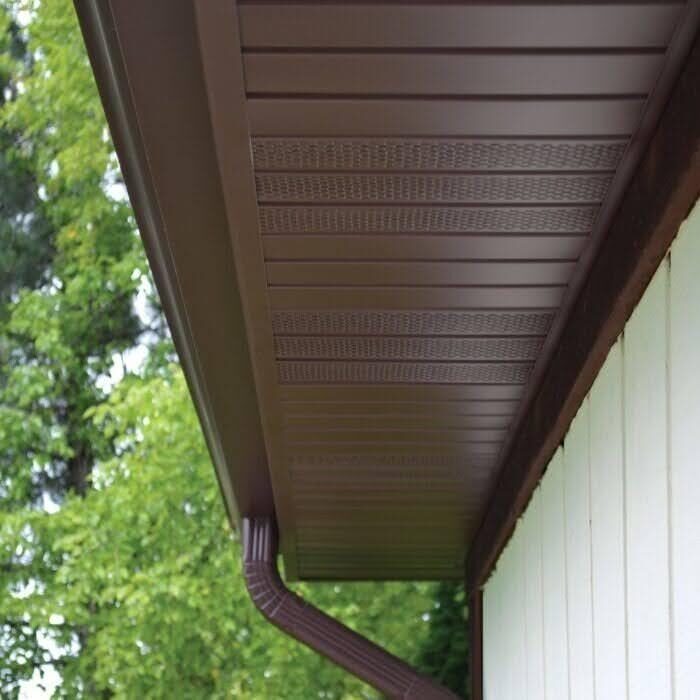
Don’t overlook the roofline. Soffits and fascia play an essential role in protecting your home from moisture while supporting proper airflow.
Inspect Your Soffit Vents
Soffit vents allow cooler outdoor air to enter your attic, while helping hot air escape through roof vents. Inspect each soffit vent for:
- Heavy dust buildup
- Bird nests or spider webs
- Leaves or other outdoor debris
Keeping soffit vents unobstructed allows your attic to ventilate during the hot summer months.
Check Your Fascia Boards
Fascia boards support your gutter system and protect the roof edge from moisture. Inspect fascia boards for:
- Peeling paint
- Soft spots
- Cracks
- Signs of rot
- Water stains
These issues start small, but indicate that gutters may have overflowed or water has remained trapped against the roofline. If you notice widespread deterioration, replacement may be more cost-effective than repeated repairs.
Step 3: Evaluate Your Gutter and Downspout Systems
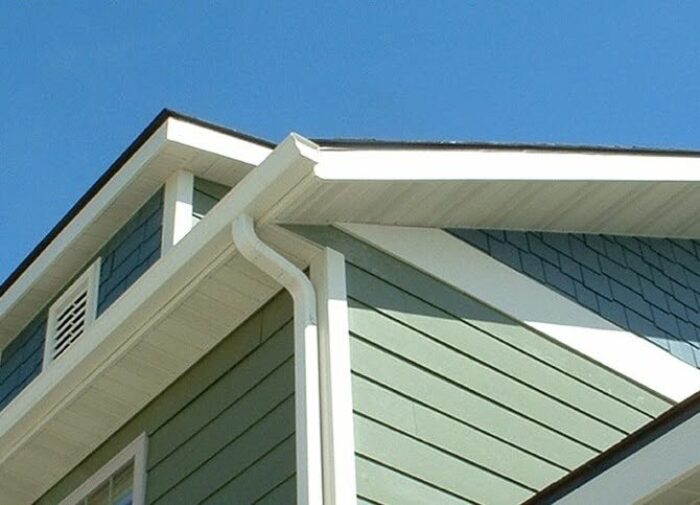
Summer storms bring a lot of water in a short period of time, so your gutter system needs to move it away from your home quickly and efficiently.
Clear Out Clogs and Blockages
Even after spring cleaning, gutters keep collecting seed pods, leaves, pine needles and roof granules. If left unchecked, the debris can cause overflows that lead to foundation problems, siding stains and landscape erosion.
Remove any clogs by hand or with a scooper. Flush gutters with a garden hose to verify that water flows freely through each downspout.
Check Your Gutter Hardware
Once your gutters are clean, it's time to inspect the hardware itself. Look for:
- Loose brackets
- Missing fasteners
- Leaking seams
- Sagging sections
- Downspouts pulling away from the house
Downspouts should discharge water several feet away from the foundation. If necessary, install splash blocks or extensions to improve drainage.
Quick and Easy DIY Fixes to Boost Curb Appeal

You don’t always need a professional to freshen your home’s appearance and prevent future problems. A few quick DIY tasks you can tackle in a weekend include:
- Tightening loose screws on shutters and trim
- Replacing damaged caulk around windows and doors
- Touching up chipped paint on trim
- Straightening bent gutter sections
- Washing entry doors and porch railings
These small weekend fixes go a long way, and your home stays looking sharp and structurally sound for seasons to come.
Upgrade Your Home Exterior With Rollex
If your siding, soffits, fascia or rainware system is showing signs of age, upgrading to quality exterior products can improve durability, reduce maintenance costs and enhance curb appeal.
Rollex manufactures siding, soffit, fascia and rainware systems engineered to perform through heat, humidity and heavy storms.
Explore our full product lineup to find the right fit for your home, or contact us to talk to a specialist about your next project.