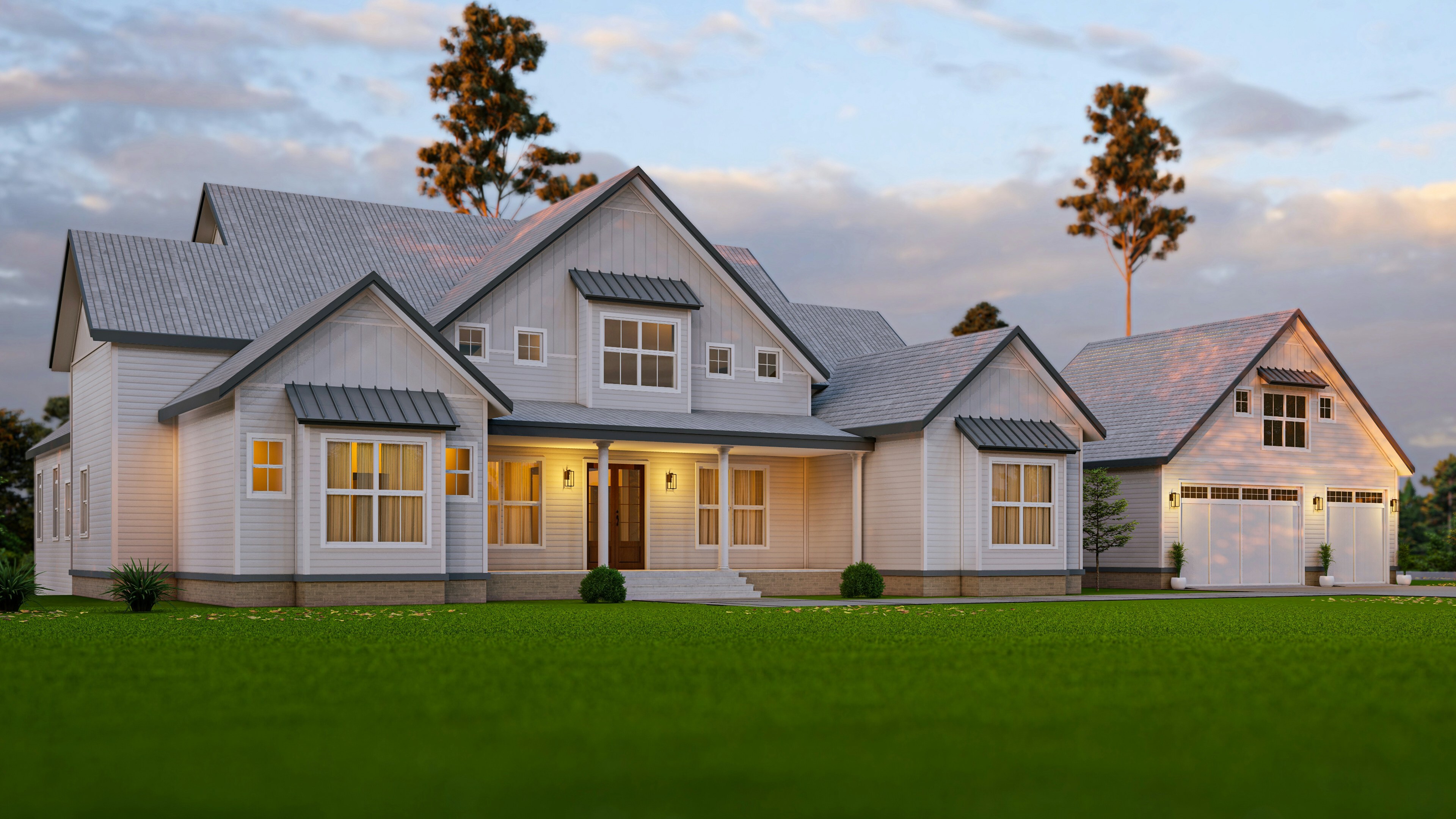
Vinyl siding strikes the perfect balance of durability, affordability and eye-catching curb appeal. However, like any exterior material, its lifespan isn’t set in stone, leaving many homeowners wondering, “How long does vinyl siding last?” The answer depends on factors like climate, installation quality and ongoing maintenance.
By understanding what impacts your siding’s lifespan, you can maintain its quality and recognize when it’s time for a replacement.
Average Lifespan of Vinyl Siding
Vinyl siding offers plenty of perks, including a long-lasting lifespan and flexible warranty options that vary by manufacturer.
Typical Range in Years
Vinyl siding usually lasts 20 to 40 years, depending on climate, material quality and maintenance, with some well-cared-for installations lasting even longer.
Harsh conditions, such as extreme temperatures, powerful storms and high winds, can push vinyl siding’s lifespan toward the 20-year mark. In gentler climates with fewer weather extremes, it often lasts closer to 40 years.
Manufacturer Warranties and Expectations
Most reputable siding brands offer peace of mind with warranties ranging from 25 years to lifetime coverage, depending on the quality of the product. These warranties generally protect against issues like excessive fading or structural defects under normal wear-and-tear conditions.
Keep in mind that warranty terms don’t guarantee actual lifespan — they simply signal the manufacturer’s confidence in the material’s durability. Before purchasing, always review warranty details closely to understand what’s covered and under what circumstances.
Factors That Affect Vinyl Siding Longevity
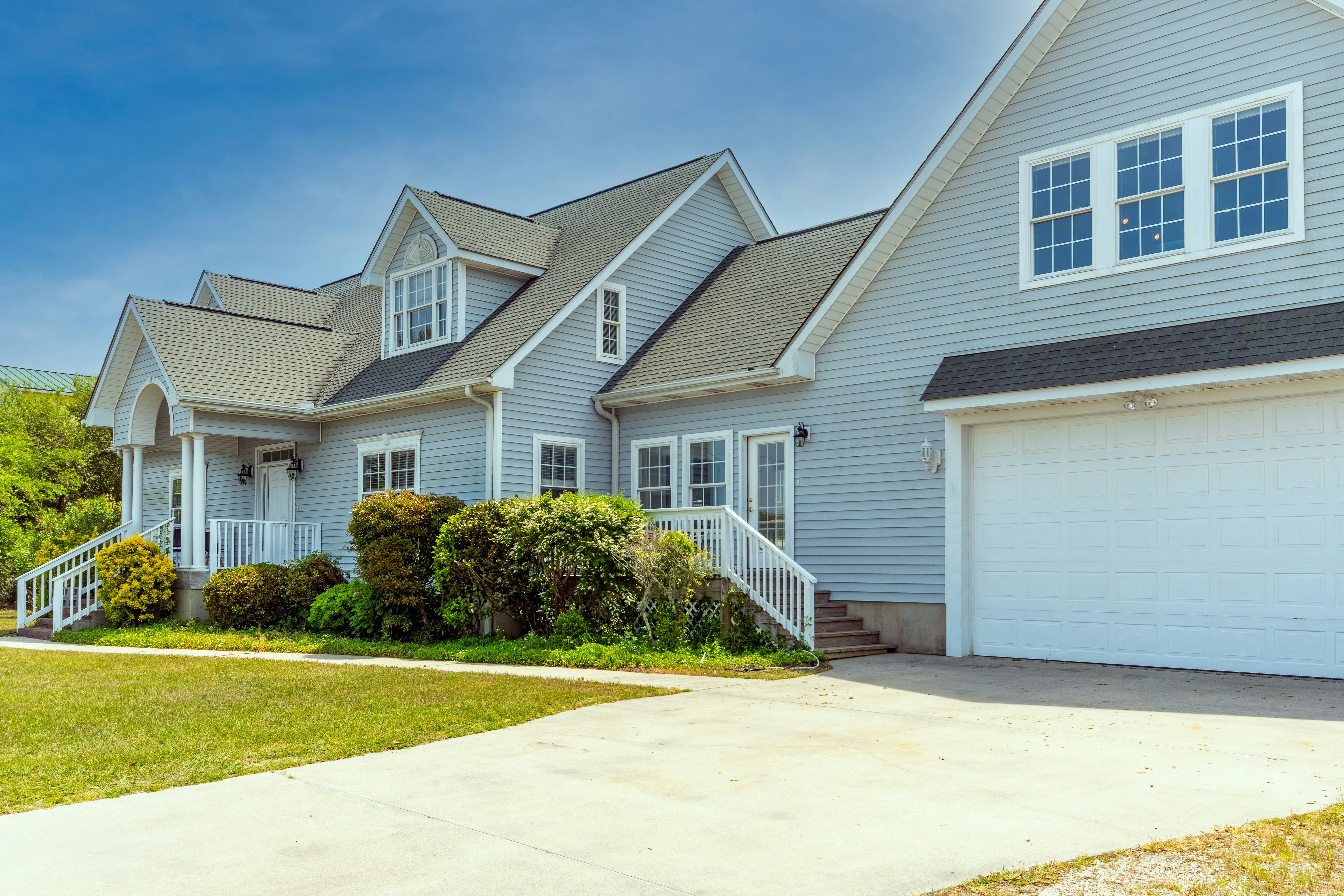
The key factors that influence the longevity of your vinyl siding are climate, quality of installation and ongoing maintenance.
Climate and Weather Exposure
In areas with intense UV exposure, lower-quality vinyl may fade more quickly and become brittle. Extreme cold can cause older vinyl to crack, while frequent high winds and hail may cause physical damage. Homes in coastal areas must contend with salt air, which can cause discoloration if not properly cleaned.
Choosing a high-quality siding that’s designed for your local climate will dramatically improve its performance over time.
Quality of Installation
Even the best siding won’t hold up if it’s not installed correctly. Proper installation ensures that panels can expand and contract with temperature changes. If it can’t expand and contract, it will buckle or warp.
Poor installation from over-nailing, uneven spacing or inadequate moisture barriers can lead to premature damage, trapped water or misalignment. Experienced, certified installers should follow manufacturer guidelines closely to maximize siding longevity.
Maintenance and Cleaning Habits
Even though vinyl siding is easy to maintain, it isn’t something you can ignore altogether.
Dirt, mildew and organic buildup can cause discoloration or contribute to moisture retention.
Regular cleaning and routine inspections help prevent major problems down the road.
Signs It’s Time to Replace Vinyl Siding
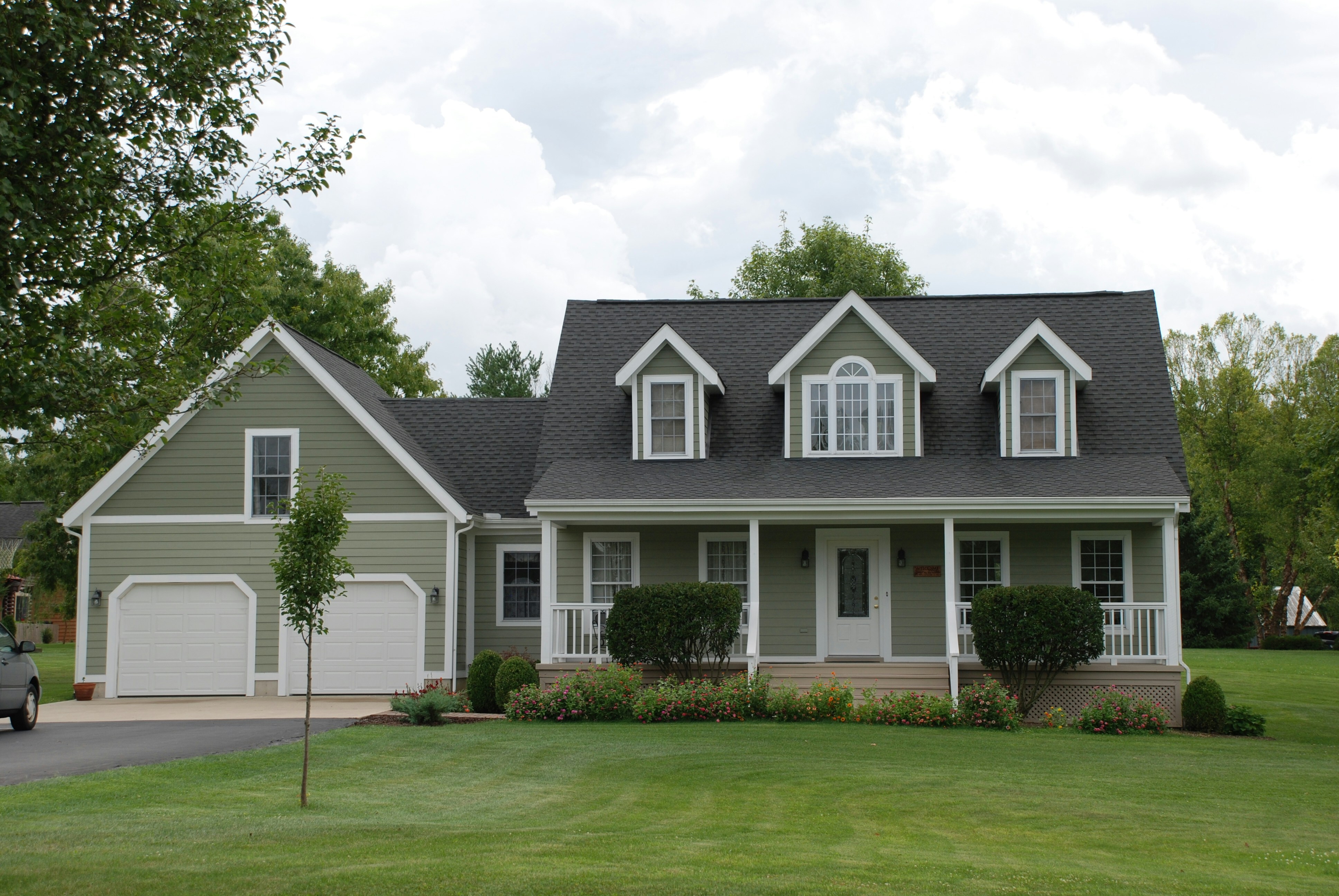
If you see cracks, fading, warping, mold, mildew or water damage, it’s time for a replacement.
Cracks, Fading or Warping
Visible cracks, splits or chips are strong indicators that your siding is nearing the end of its life. Small cracks allow moisture to enter, which can lead to mold or structural damage.
Significant fading or discoloration signals aging or UV damage, while warping or buckling could mean improper installation, heat distortion or trapped moisture.
Mold, Mildew or Water Damage
Isolated areas of mold or mildew can point to moisture infiltration behind your siding. Stains or soft spots are signs of water intrusion. Vinyl siding itself doesn’t absorb water, so moisture issues often stem from gaps, cracks or failing insulation.
Water damage isn’t the end of the world, but leaving it for extended periods of time can lead to mold growth. It’s best to address any water issues as soon as possible to avoid further damage.
Tips to Extend the Life of Your Siding
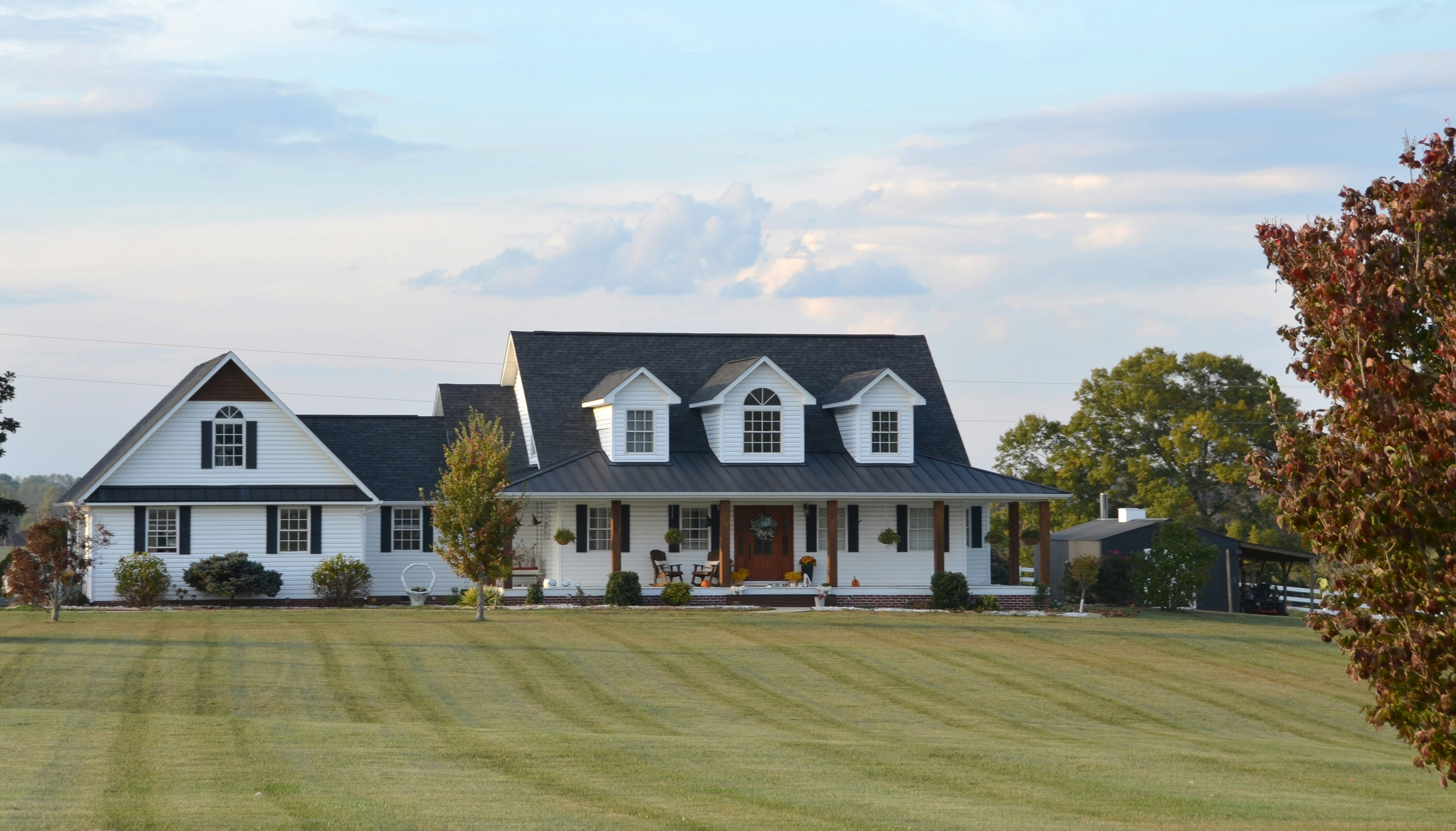
To keep your vinyl siding in tip-top shape, it’s all about proper cleaning and prompt repairs.
Cleaning Considerations
A simple, annual cleaning schedule works well for vinyl siding. Take a garden hose and mild soap to remove dirt, pollen, spiderwebs and mildew.
Use only manufacturer-recommended methods and avoid harsh chemicals, abrasive tools, bleach-heavy cleaners or high-pressure washing to prevent damage.
Inspection Considerations
Walk the perimeter of your home once a year to inspect it, looking for cracks, warping, loose panels or areas where moisture may be collected.
If you find small issues during an inspection, take care of them as soon as possible. Replacing a cracked panel, re-securing a few loose pieces or patching minor holes are all simple procedures that will prevent water intrusion and structural issues.
Dependable Vinyl Siding Starts with Rollex
With the right materials, skilled installation and simple upkeep, vinyl siding can keep your home safe, efficient and looking great for decades.
At Rollex, we’re committed to helping homeowners achieve both lasting protection and exceptional curb appeal. Our vinyl siding combines durability, low maintenance and timeless style, making it easy to enhance your home while safeguarding it against the elements.
Ready to upgrade your home with durable, stunning vinyl siding? Contact us today to get started.